
Top Tennessee standout shocks college basketball world by announcing commitment to Kentucky Wildcats, signaling a dramatic SEC power shift as fans react to the unexpected move and anticipate how his talent could reshape Kentucky’s roster and championship hopes next season…see more ⤵️
Top Tennessee standout shocks college basketball world by announcing commitment to Kentucky Wildcats, signaling a dramatic SEC power shift as fans react to the unexpected move and anticipate how his talent could reshape Kentucky’s roster and championship hopes next season
A wave of surprise and excitement has swept through the college basketball world following a stunning recruiting twist: a standout player associated with Tennessee has reportedly shifted course and committed to the Kentucky Wildcats. The unexpected development has ignited debate across the Southeastern Conference (SEC), with fans, analysts, and insiders all trying to make sense of what it means for both programs moving forward.
For Tennessee supporters, the news lands as a tough blow. The Volunteers have built a reputation in recent years as a gritty, defensively disciplined team capable of competing with the nation’s best. Losing a key contributor—or even the perception of losing one to a direct conference rival—adds an emotional edge to an already intense rivalry. The player in question had become a recognizable figure, known not just for athletic ability but also for visible confidence and presence on the court. Moments of swagger, leadership gestures, and clutch plays had made him a fan favorite.
Kentucky, on the other hand, finds itself back in the spotlight for landing a high-profile addition. The Wildcats have long thrived on attracting elite talent, and this move reinforces that reputation. For a program that measures success in championships and deep tournament runs, adding a dynamic, battle-tested player from within the SEC could provide both immediate impact and valuable experience. It also sends a broader message: Kentucky remains a destination capable of pulling talent from anywhere—even from rival programs.
From a basketball perspective, the fit raises intriguing questions. The player’s versatility, athleticism, and ability to influence both ends of the floor could address key needs for Kentucky. Whether it’s scoring in transition, defending multiple positions, or energizing teammates with emotional intensity, his skill set aligns with the fast-paced, high-pressure style that Kentucky often embraces. Coaches will likely look to integrate him quickly, potentially giving him a prominent role early in the season.
The ripple effects extend beyond just two teams. Across the SEC, programs are taking note of how fluid roster dynamics have become in the modern era of college basketball. With increased player mobility, high-profile moves like this are no longer rare—but they still carry major symbolic weight when they involve traditional rivals. It underscores a shifting landscape where loyalty is often balanced against opportunity, development, and exposure.
Fans have reacted passionately on both sides. Social media has been flooded with reactions ranging from disbelief to celebration. Tennessee supporters have expressed frustration, while Kentucky fans are already envisioning how this addition could elevate their team into national title contention. The emotional intensity reflects the deep-rooted rivalry between the two schools, where every matchup already carries heightened stakes.
There’s also a psychological dimension to consider. When a player crosses from one rival to another, it adds a layer of narrative drama that extends into future matchups. The next time Tennessee and Kentucky meet, attention will inevitably center on this storyline. Every play, every interaction, and every moment involving the player will be scrutinized. It transforms an already must-watch game into an even bigger spectacle.
Analysts are divided on the long-term impact. Some believe this move could be a turning point for Kentucky, giving them a competitive edge in the SEC race. Others caution that chemistry and system fit will ultimately determine success. College basketball history is filled with examples of talented rosters that struggled to gel, as well as teams that exceeded expectations through cohesion and discipline.
For the player himself, the decision represents both opportunity and pressure. Joining a high-profile program like Kentucky comes with elevated expectations. Every performance will be under the microscope, and the narrative surrounding his decision will follow him throughout the season. At the same time, it offers a platform to showcase his abilities on one of the sport’s biggest stages, potentially boosting his long-term prospects.
Coaches on both sides now face critical adjustments. Tennessee will need to regroup, potentially redistributing roles and emphasizing depth to compensate. Kentucky, meanwhile, must integrate a new piece into its system without disrupting existing chemistry. How effectively each program responds could shape the SEC standings and influence postseason outcomes.
In the broader context of college basketball, this development highlights the ever-evolving nature of the sport. Player movement, NIL opportunities, and shifting priorities have created an environment where dramatic changes can happen quickly. For fans, it adds unpredictability and excitement—but also challenges traditional notions of team identity and continuity.
As the season approaches, all eyes will be on how this story unfolds. Will the move propel Kentucky to new heights? Can Tennessee rally and prove resilient in the face of adversity? And how will the player handle the spotlight that comes with such a headline-grabbing decision?
One thing is certain: this unexpected commitment has already reshaped the conversation around the SEC. It has intensified rivalries, sparked debates, and set the stage for one of the most compelling storylines of the upcoming college basketball season.
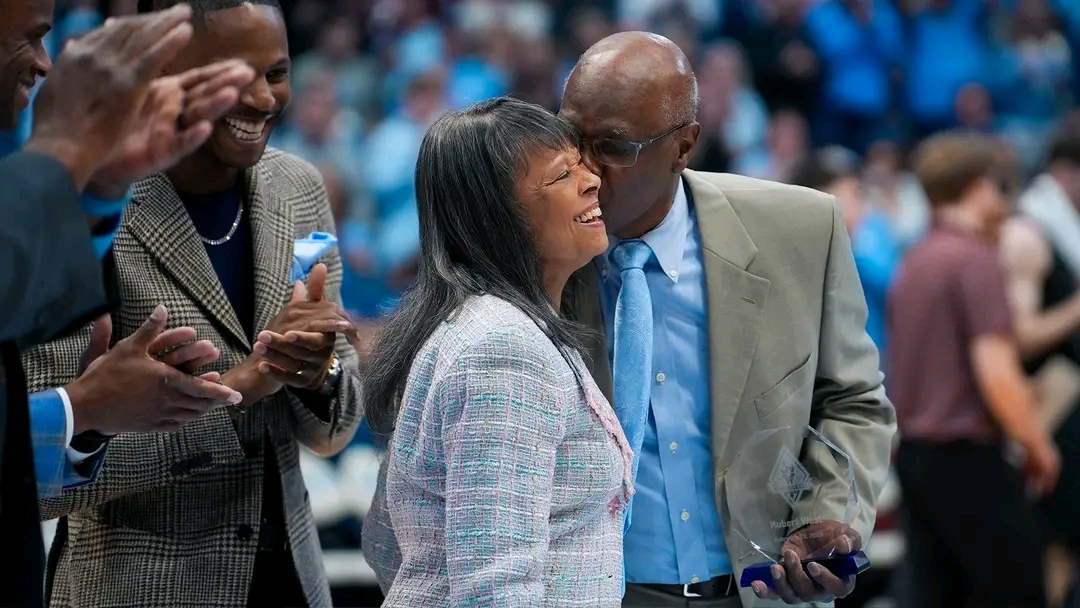
CHAPEL HILL — The cheers inside the Dean E. Smith Center weren’t reserved only for the action on the court. On a night already filled with energy and anticipation, the spotlight shifted to a man whose impact has long extended…see more
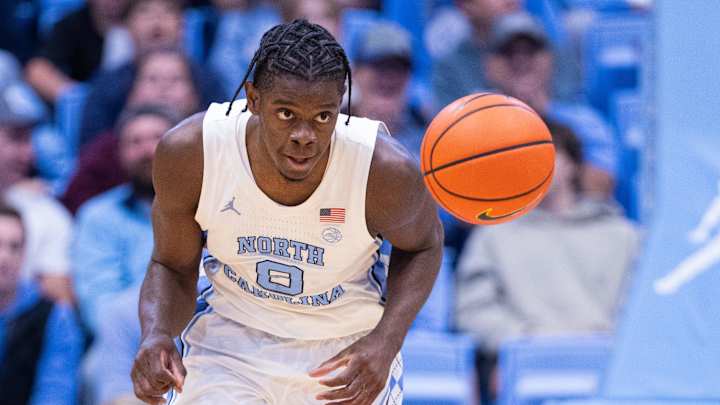
Caleb Wilson Shines Once Again in a New Clip — and the Fans’ Love Is Pouring In! He felt ‘disrespected,’ but his latest moment flips the script, turning doubt into fuel and delivering a message of love he never directly reveals…
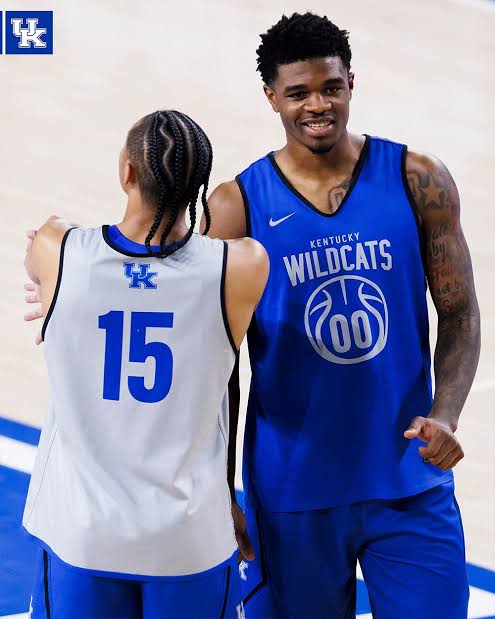
It popped out… but don’t hang your head so as this season will…— Even while sidelined with injury, Jaland Lowe sends powerful message to teammates Otega Oweh and others, inspiring unity and fight within Kentucky’s locker Roo….
About The Author
