
BREAKING: Elite Quarterback Snubs College Football Giants, Commits to Kansas State in Stunning Power Shift… full details here ⤵️
BREAKING: Elite Quarterback Snubs College Football Giants, Commits to Kansas State in Stunning Power Shift
In a decision that has sent shockwaves across the college football landscape, one of the nation’s most highly coveted quarterback prospects has chosen to commit to the Kansas State Wildcats football—turning down a host of traditional powerhouses in favor of a program many believe is on the verge of something special.
The announcement, which came after months of intense speculation and a tightly guarded recruitment process, represents more than just a single commitment. It signals a shifting dynamic in the sport, where elite talent is increasingly willing to look beyond the usual blue-blood programs and instead invest in systems, culture, and opportunity.
What makes the decision particularly striking is who was left at the altar. Among the programs believed to have been in serious contention were the Alabama Crimson Tide football, Georgia Bulldogs football, Ohio State Buckeyes football, Texas Longhorns football, and USC Trojans football—programs synonymous with championships, NFL pipelines, and national exposure.
Yet, despite the prestige and proven track records of those schools, the quarterback ultimately opted for Manhattan, Kansas.
A Calculated Gamble—or a Visionary Move?
While some may frame the decision as a gamble, insiders close to the recruitment suggest it was anything but impulsive. Instead, it appears to have been the result of a deliberate evaluation of fit, development, and long-term trajectory.
Kansas State has quietly built a reputation as one of the most disciplined and efficient programs in the country. Known for maximizing talent and fostering a strong locker room culture, the Wildcats have consistently punched above their weight in a highly competitive conference. For a quarterback looking to develop both technically and mentally, that environment can be incredibly appealing.
Sources indicate that the coaching staff’s clarity of vision played a major role. Rather than selling tradition alone, they emphasized opportunity—specifically, the chance to lead, to shape the offense, and to leave a lasting legacy.
In contrast, some of the more established programs offer crowded quarterback rooms and intense competition, where even elite recruits can find themselves waiting for playing time. For a player eager to make an immediate impact, that uncertainty can be a significant factor.
Turning Down the Giants
The programs that missed out are no strangers to landing top-tier talent. Schools like Alabama and Georgia have dominated recruiting rankings for years, routinely assembling classes filled with five-star prospects. Ohio State and USC, meanwhile, have become quarterback factories, producing a steady stream of NFL-ready talent.
That’s precisely why this decision stands out.
To turn down those opportunities suggests a broader shift in priorities. It’s no longer just about the biggest stage—it’s about the right stage.
Recruiting analysts have pointed to a growing trend among top prospects: a willingness to prioritize development over hype. In an era shaped by the transfer portal and name, image, and likeness (NIL) opportunities, players have more control than ever over their careers. That freedom is reshaping how decisions are made.
What It Means for Kansas State
For the Wildcats, this commitment could be transformative.
Landing a quarterback of this caliber not only boosts the program’s on-field potential but also elevates its national profile. It sends a clear message to future recruits: Kansas State is not just a contender—it’s a destination.
The ripple effects could be significant. High-profile commitments often attract other top prospects, creating momentum that can reshape an entire recruiting class. Wide receivers, offensive linemen, and even defensive players take notice when an elite quarterback commits, recognizing the opportunity to be part of something special.
Moreover, it reinforces the belief that the Wildcats’ recent success is no fluke. Instead, it’s the result of a sustainable model built on smart coaching, player development, and a strong team-first mentality.
A Changing Landscape
This moment also reflects a broader evolution within college football.
For decades, a small group of programs dominated recruiting, creating a relatively predictable hierarchy. But that hierarchy is beginning to shift. The combination of NIL, the transfer portal, and increased media exposure has leveled the playing field in ways that were previously unimaginable.
Now, programs like Kansas State can compete—not just on the field, but in living rooms across the country.
And when they win those battles, it resonates.
The Road Ahead
Of course, a commitment is just the beginning. Expectations will be sky-high, and the pressure to deliver will be immediate. Fans will eagerly anticipate the arrival of a player many believe could redefine the program’s ceiling.
But if the decision-making process is any indication, this is a player who thrives on challenge rather than shying away from it.
Choosing Kansas State over college football’s most established powers isn’t just a headline—it’s a statement. A declaration that success doesn’t have to follow a predetermined path.
And as the Wildcats prepare for the future, one thing is clear: the balance of power in college football may be shifting, one bold decision at a time.
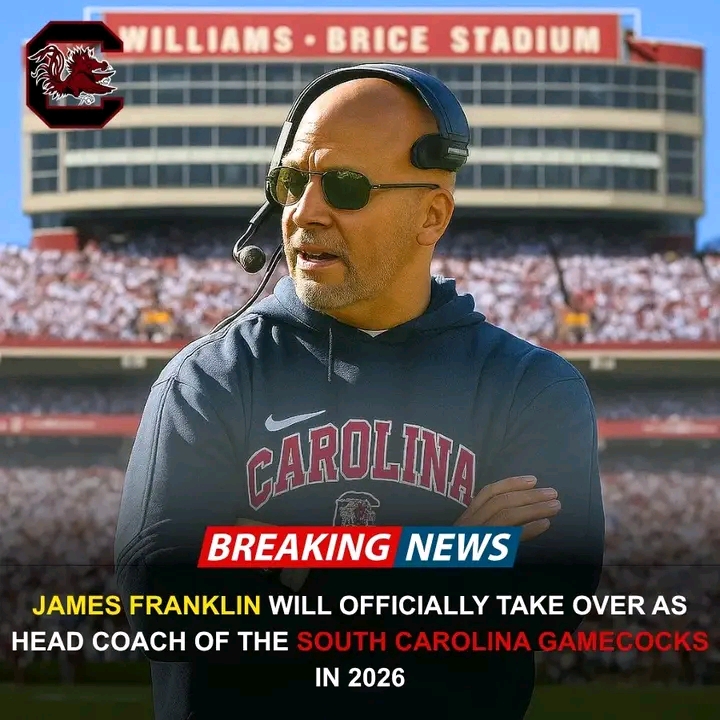
It’s time to rebuild the fire, restore the pride…” — James Franklin declares with passion before being officially unveiled as South Carolina Gamecocks Head Coach, sparking wild celebrations across Columbia as a fearless new era begins…
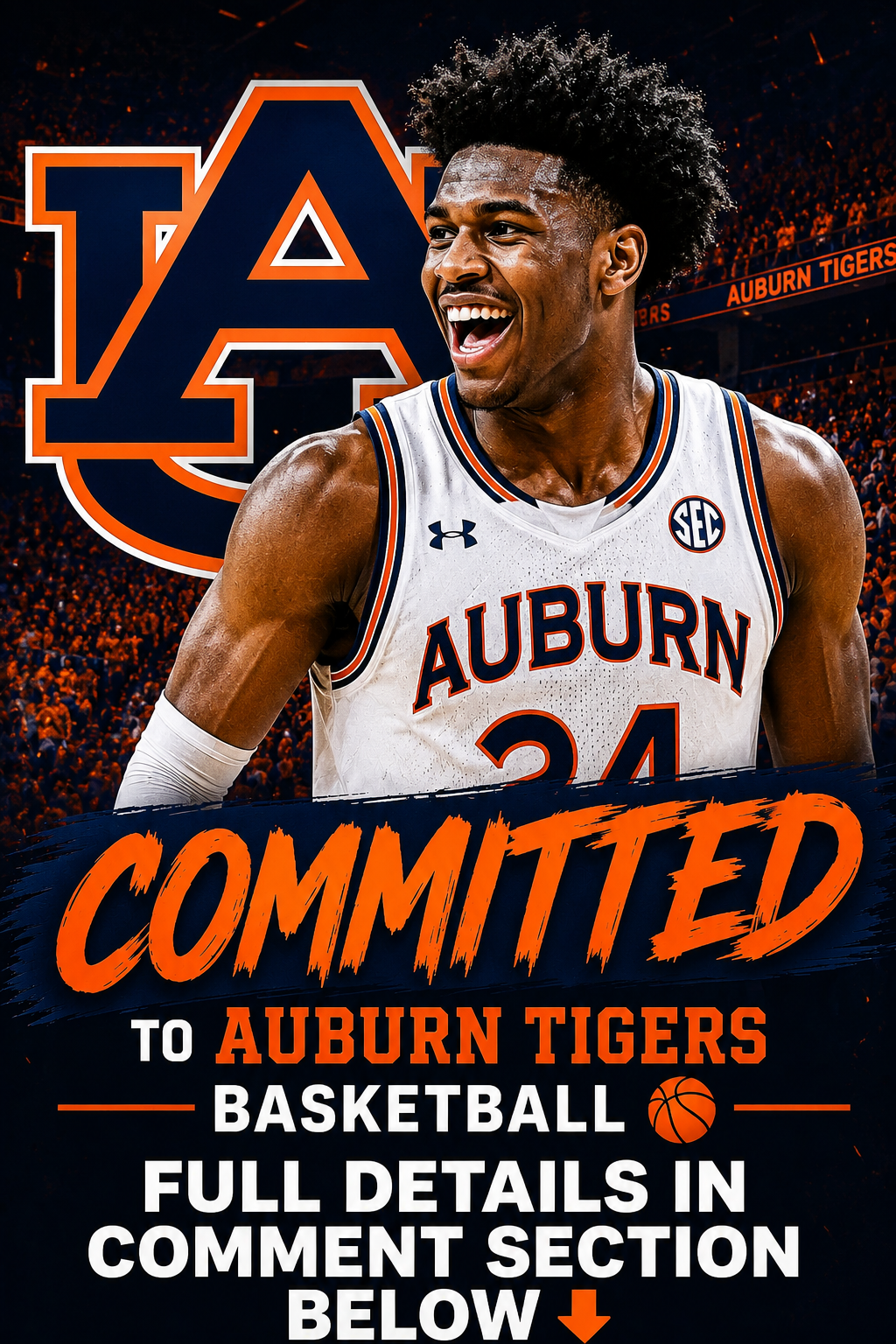
AUBURN TIGERS FANS ERUPT AS PROGRAM CELEBRATES MASSIVE BASKETBALL COMMITMENT, SENDING EXCITEMENT THROUGH COLLEGE HOOPS….
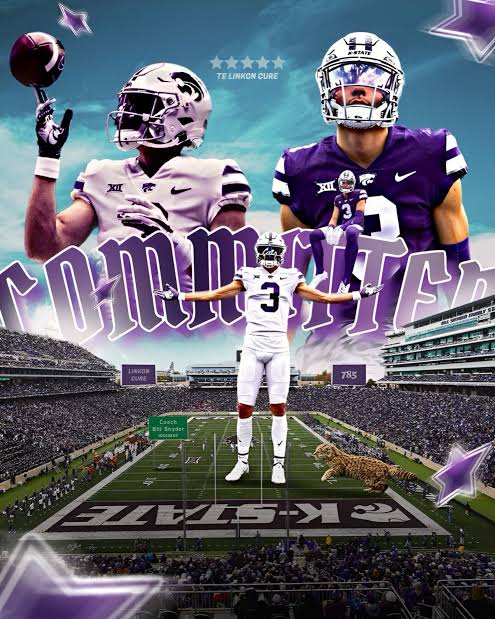
BREAKING: “This Is Home” — One of the nation’s top football stars has officially committed to Kansas State Wildcats football, choosing the Wildcats over several major powerhouse programs. The elite prospect called Kansas State “the perfect place to build something special,” giving fans renewed excitement about the future of Wildcats football…see more ⤵️
About The Author
