 By Admin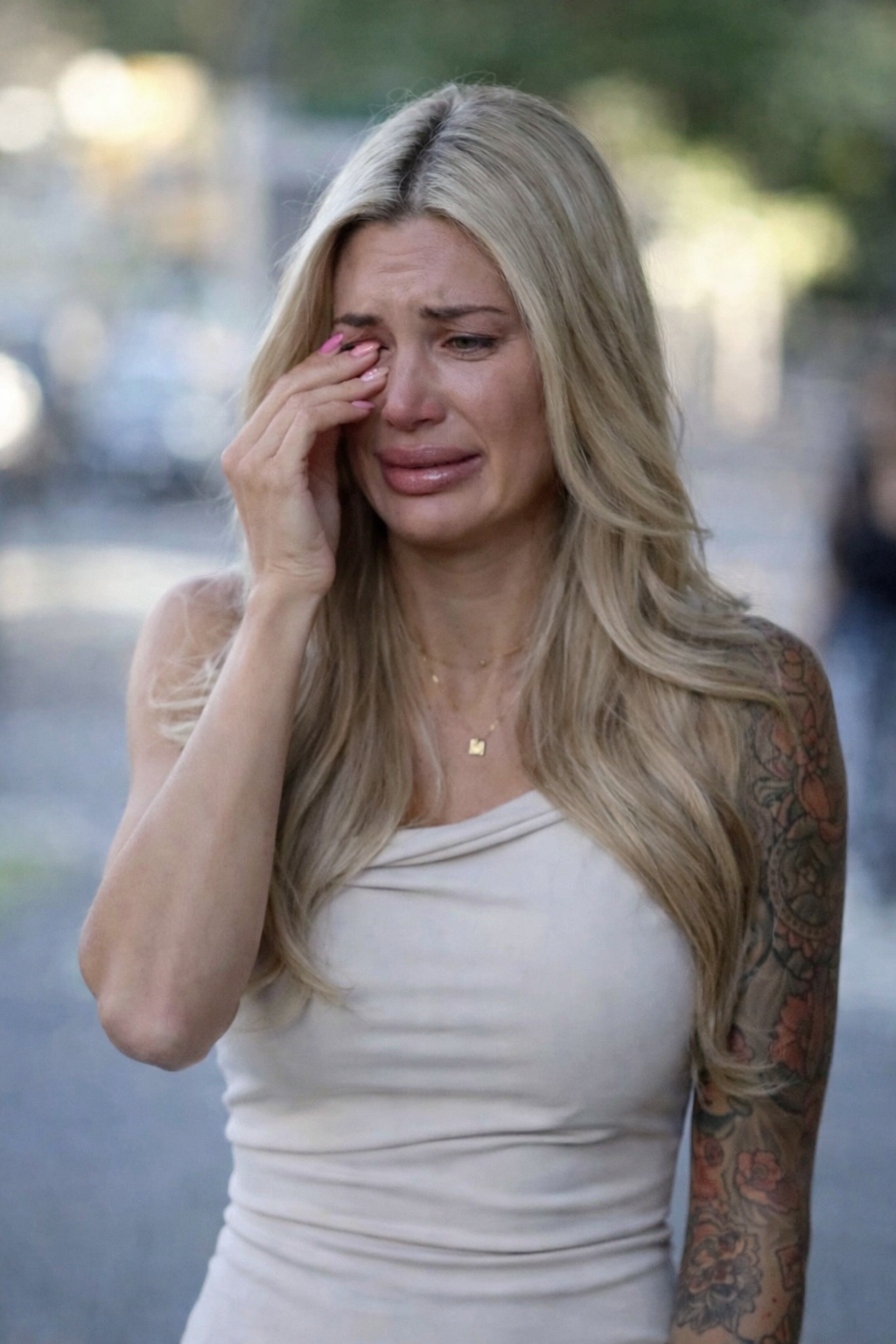
MAFS Fallout Turns Serious: Star Gia Fleur Claims She Was Put in a ‘Dangerous’ Position — Inside the Drama, Backlash and Broader Impact
The latest season of Australia’s Married At First Sight (MAFS) has been nothing short of explosive — but one of the most serious controversies to emerge is now centred on bride Gia Fleur, who has revealed that she was placed in what she describes as a “dangerous” situation both on and off camera.
Gia’s claims have ignited fierce debate among fans, fellow participants and critics alike, raising uncomfortable questions about the personal cost of reality TV fame and the responsibilities of producers in protecting cast members.
The Dangerous Reality Behind the Reality Show
In a candid statement that has shocked much of the MAFS fandom, Gia Fleur explained that she changed her name — from Gianna Fleur Symonds — due to a past domestic violence situation that put her safety at risk. The 35-year-old has been transparent about her reasons, saying the decision was about privacy and protection, not rebranding for television.
“It’s a very sensitive topic. I actually changed my name because of a domestic violence situation I was in,” she stated, emphasising that details of her past had very real and potentially harmful implications if mishandled or mocked by others.
This revelation came after fellow groom Danny Hewitt publicly questioned her credibility on a MAFS: After the Dinner Party spin-off, mocking the fact that she used a name other than her birth name and suggesting it was a ploy rather than a matter of safety.
Gia responded with dignity, calling such commentary insensitive—if not reckless, given the serious context behind her identity change.
Internal Feuds Escalate on Air and Online
The present season’s dynamics have been fraught with tension. Gia, known for her bold personality, has been at the centre of several confrontations — most notably a widely criticised dinner party where she and co-cast member Brook launched a harsh verbal assault on other brides that many viewers labelled bullying.
In the fallout from that episode, Gia issued an apology acknowledging her conduct was “appalling” and hurtful, saying she regretted her choice of language and the pain it caused others involved.
The apology addressed not only the brides she targeted, but also addressed rumours that she had pulled out of a spin-off appearance due to fear. Gia explained that she was, in fact, hospitalised before the show could be filmed, framing her absence as a health priority rather than avoidance.
Public Perception and Viewer Backlash
Across social media and fan forums, reactions to Gia have been deeply divided. Some fans defend her candour and acknowledge the challenges of navigating reality TV while protecting personal boundaries. Others are critical of her behaviour on the show, labelling it toxic or attention-seeking — particularly when it comes to how she interacted with other cast members.
One recurring thread among viewers is that MAFS continues to manufacture conflict for entertainment value — sometimes at the expense of cast wellbeing. Critics argue that participants are placed in emotionally volatile environments where personal histories and vulnerabilities can be exploited for drama.
Broader Conversation: Safety, Backlash and Reality TV Ethics
Gia’s case raises larger questions about how reality TV experiences are shaped by production and how personal trauma histories are handled in the editing room and media narratives.
Reality TV has long walked a fine line between authentic representation and sensational storytelling, but for former and current MAFS stars alike, the emotional impact can extend far beyond the finale episode. Gia’s continued presence in media interviews — and her forthright discussion of past violence — has shone a spotlight on the ethical consideration producers must show when casting participants with sensitive histories.
Moreover, Gia’s experience is not an isolated controversy. Other cast members, such as Mel and Luke, have been the subject of intense online scrutiny over admissions of past behaviour — including problematic comments about stalking that alarmed viewers and mental health advocates.
The Cost of Fame: Family and Personal Impact
Gia’s reality TV journey has not occurred in a vacuum. In a separate interview, she spoke about the emotional toll the show has had on her daughter, describing a confronting moment when her 8-year-old came home upset following public criticism of Gia’s behaviour.
She admitted that her decision to appear on MAFS was not fully considered in light of her responsibilities as a parent. This story has resonated with some viewers as a reminder that behind every TV persona is a complex individual with a real life — and real loved ones who are affected by the fallout.
Where Does MAFS Go From Here?
With the season still airing, the conversation around Gia Fleur is far from over. Her revelations about personal safety, mixed with ongoing social media debates and heated cast interactions, have made her one of the most talked-about figures in the show’s long history.
Producers have been under pressure to balance ratings with responsible representation — especially in light of prior incidents that drew scrutiny from authorities and safety advocates.
As MAFS continues to attract millions of viewers, Gia’s story highlights a crucial tension: audiences crave the drama, but they also care about the wellbeing of the people at the centre of that drama. Whether her experience ultimately shifts how reality TV handles vulnerable cast members remains to be seen — but for now, it has sparked a serious and important discussion about what happens after the cameras stop rolling.