
The NRL community has united in compassion, placing rivalry aside to support Mitchell Moses and Bri Gardoni. In a powerful reminder that people matter more than results, love and solidarity have led the way as the rugby league family stands together…see more
In a sport often defined by toughness, rivalry, and relentless pressure, the NRL community has paused to show its softer, more human side. This week, the rugby league world united in a powerful display of compassion and solidarity, rallying around Parramatta Eels star Mitchell Moses and his partner Bri Gardoni during a deeply personal moment.
While details surrounding the situation have been respectfully kept private, the response from across the league has spoken volumes. Clubs, players, officials, and fans alike have set competition aside, choosing empathy over analysis and care over commentary. It has been a reminder that beyond the jerseys, contracts, and ladder positions, rugby league is ultimately built on people.
Messages of support began flowing almost immediately. Teammates stood shoulder to shoulder with Moses, reinforcing that he is not facing this moment alone. Rival players, often fierce competitors on game day, also reached out with words of encouragement, reflecting a shared understanding that some moments transcend sport. Coaches and administrators echoed similar sentiments, emphasizing that family, health, and wellbeing must always come first.
Mitchell Moses, one of the NRL’s most recognizable playmakers, is no stranger to pressure. As a club captain and representative player, he has long carried expectations on and off the field. Yet this moment has shifted the focus entirely away from performance and toward humanity. The league’s response has made clear that Moses is supported not for what he delivers in a match, but for who he is as a person.
At the center of that support is Bri Gardoni, whose strength and grace have not gone unnoticed. The overwhelming message from the rugby league community has been one of protection and care, particularly toward family members who often bear the emotional weight of life in professional sport. Partners and families, though rarely in the spotlight, are integral to players’ lives, and the NRL’s collective response has acknowledged that reality with sincerity.
Fans, too, have played a significant role. Social media platforms have been flooded with messages urging kindness, patience, and respect for privacy. Many supporters have called for an end to speculation, reinforcing that compassion should guide public discussion. In an era where athletes’ lives are constantly scrutinized, this unified stance has been both refreshing and necessary.
The moment has also sparked broader reflection within the game. Mental health advocates and former players have highlighted how vital these shows of support can be, particularly during challenging personal circumstances. The NRL has made strides in recent years to prioritize wellbeing, and this response has been seen as a living example of those values in action.
League officials have quietly backed the outpouring of care, reinforcing that players will always be given space and support when personal matters arise. While the competition remains intense, there is a growing understanding that resilience is strengthened—not weakened—by empathy.
For many observers, this moment has underscored what makes rugby league unique. Despite its physicality and fierce tribalism, it remains a community bound by shared values. When one of its own is hurting, the instinct is not to judge or demand answers, but to close ranks and offer comfort.
As the season continues and attention inevitably returns to matches and results, this pause will not be forgotten. It has served as a powerful reminder that there are times when the game must step aside and allow love to lead. For Mitchell Moses and Bri Gardoni, that message has been clear and unwavering: they are supported, they are valued, and they are not alone.
In moments like this, rugby league proves it is more than a sport. It is a family—one capable of fierce competition, but also profound compassion when it matters most.
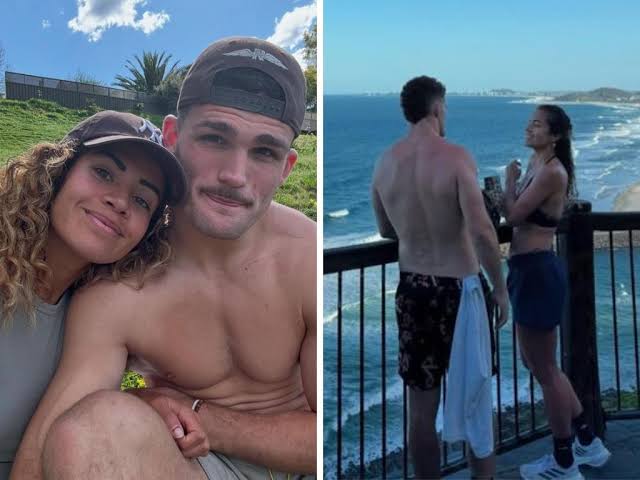
FIRST-DATE NERVES TAKE CENTER STAGE: Mary Fowler admits she was far more anxious meeting NRL superstar Nathan Cleary for the very first time than stepping onto the World Cup stage, revealing a candid, heart-on-sleeve moment fans never saw coming…

BOMBSHELL IN TIGERTOWN: A Castleford Tigers player has been slapped with a lifetime ban after explosive gambling leaks surfaced, with confidential info allegedly passed to bettors, sending shockwaves through the league and leaving fans stunned as officials race to steady the ship…
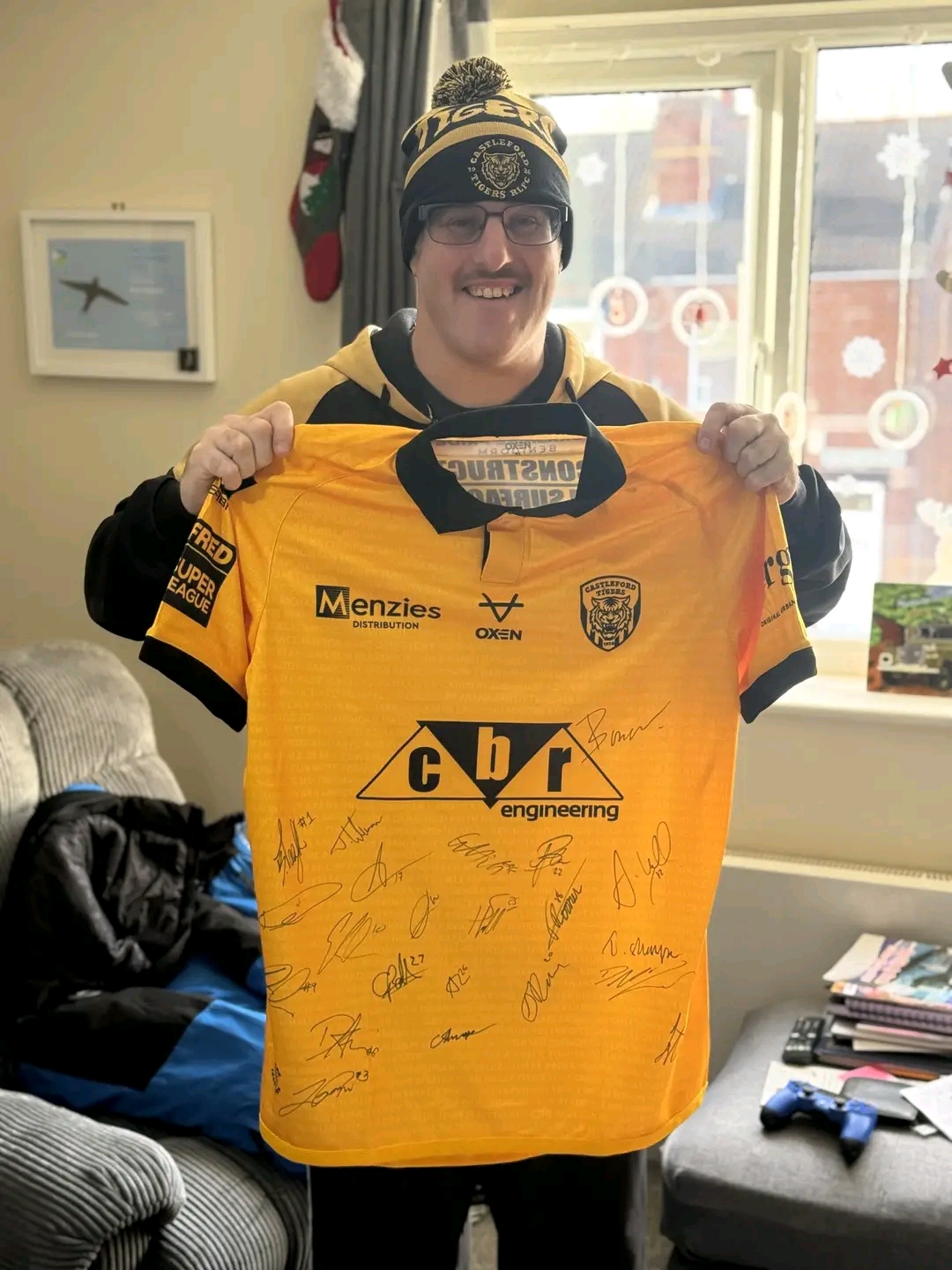
Castleford Tigers Create Heart-Warming Scene as Longtime Fan Ben Gains Newfound Confidence During Special Training Visit, with a Powerful Private Exchange Leaving Players Delighted and the Club Hopeful He’ll Soon Experience His First Matchday at the Jungle…
About The Author
